

Description
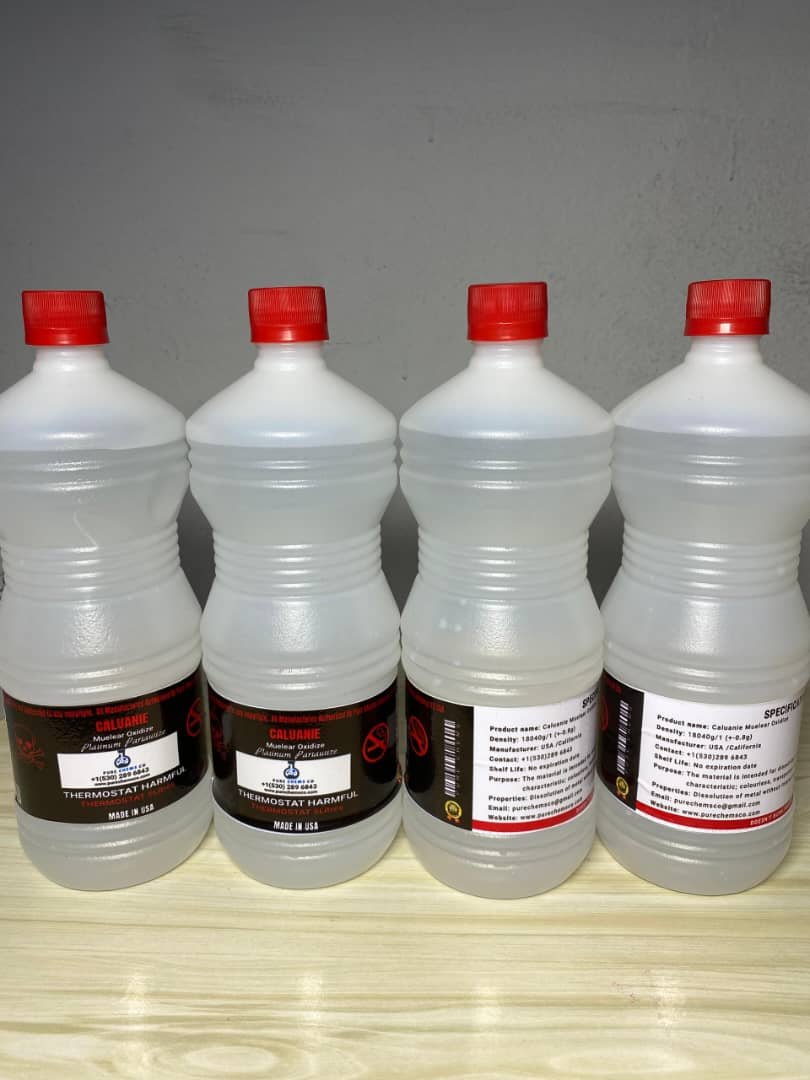
Caluanie Muelear Oxidize 1.5Liter
Quick core message:
Caluanie Muelear Oxidize 1.5Liter container is a concentrated oxidizing chemical that presents significant hazards if mishandled. It must be managed exclusively by trained professionals within regulated industrial or laboratory environments. focuses on chemical properties, industrial context, safety, storage, handling, risk mitigation, regulatory requirements, and emergency response — not on acquisition or commercial instructions. Caluanie Muelear Oxidize 1Liter
Written from decades of experience in industrial safety and expert informational content development, this guide provides authoritative content that aligns with high value informational search intent.
Table of Contents
-
What this guide covers
-
Overview of Caluanie Muelear Oxidize
-
Chemical properties and hazard profile
-
Understanding safety documentation (SDS)
-
Personal protective equipment (PPE) and engineering controls
-
Safe storage practices for 1.5 L containers
-
Safe handling protocols
-
Transport and regulatory labeling
-
Spill response and emergency procedures
-
Disposal and environmental safeguards
-
Workplace training and documentation
-
Risk assessment and mitigation
-
Industry standards and compliance
-
Creating an emergency action plan
-
Executive summary
-
FAQ (informational)
1. What This Guide Covers
This article is designed to provide a comprehensive overview of Caluanie Muelear Oxidize when stored or used in a 1.5 liter container. It includes safe handling practices, hazard communication, recommended controls, and professional guidance for industrial use. This content is written for safety officers, chemical hygiene officers, lab managers, compliance professionals, and others responsible for hazardous chemical programs.
2. Overview of Caluanie Muelear Oxidize
Caluanie Muelear Oxidize 1.5Liter is a strong oxidizing chemical commonly referenced in industrial and laboratory settings. Oxidizers are substances that readily give off oxygen or accept electrons during chemical reactions, accelerating combustion of materials that otherwise burn slowly. Due to their reactivity, oxidizers are associated with significant risk when mismanaged and require stringent safety controls.
In professional contexts, oxidizing agents may be used for controlled reactions, material conditioning, analytical testing, and certain specialized applications. They are not for general consumer use and must be handled only in environments where hazard controls, PPE, and emergency procedures are in place.
3. Chemical Properties and Hazard Profile
Understanding the chemical nature of strong oxidizers is essential for safe industrial use. Key hazard classifications associated with oxidizing substances include:
Corrosivity:
Oxidizers can cause severe skin burns and eye damage upon contact.
Reactivity:
They react strongly with organic materials, reducing agents, and combustible substances — potentially leading to fire, heat, or gas evolution.
Inhalation risk:
Aerosols or vapors can damage respiratory tissue.
Environmental risk:
Improper release can harm aquatic systems, soil quality, and ecosystems.
The exact molecular structure and chemical formula define specific behavior, but oxidizing chemicals typically require a cautious approach in all handling and storage scenarios.
4. Understanding Safety Documentation (SDS)
A Safety Data Sheet (SDS) is the cornerstone of chemical hazard communication. For Caluanie Muelear Oxidize, critical SDS sections include:
-
Section 1: Identification and supplier information
-
Section 2: Hazard classification and pictograms
-
Section 4: First aid measures
-
Section 5: Fire-fighting measures
-
Section 6: Accidental release measures
-
Section 7 & 8: Handling, storage, and exposure controls
-
Section 13: Disposal considerations
-
Section 15: Regulatory information
Professionals responsible for chemical safety must ensure current SDSs are readily accessible and understood by all personnel who might encounter the product.
5. Personal Protective Equipment (PPE) and Engineering Controls
Engineering Controls:
-
Local exhaust ventilation or fume hoods
-
Chemical-resistant storage cabinets
-
Secondary containment trays
-
Emergency eyewash and shower stations
PPE (Minimum Recommended):
-
Chemical-resistant gloves (materials judged compatible by SDS)
-
Safety goggles plus full face shield
-
Long-sleeved chemical-resistant apron or suit
-
Respiratory protection if airborne concentrations are possible
Selecting the correct PPE should be based on a formal hazard assessment and aligned with institutional PPE programs.
6. Safe Storage Practices for 1.5 L (Caluanie Muelear Oxidize 1.5Liter) Containers
Storage of oxidizing chemicals must minimize risk of unintended reactions:
-
Cool, dry, well-ventilated areas separate from incompatible substances
-
Segregation from organics, flammables, and reducing agents
-
Secondary containment to capture leaks
-
Secure labeling and inventory tracking
-
Access restricted to trained personnel
Proper storage reduces the likelihood of accidental mixing, spills, or environmental exposure.
7. Safe Handling Protocols
Handling hazardous chemicals demands procedural strictness:
-
Inspect container integrity before use
-
Open containers slowly and in well–ventilated areas
-
Never transfer to unlabeled or non-approved vessels
-
Avoid heat, sparks, open flame, or friction
-
Avoid contact with incompatible materials
Develop and enforce written Standard Operating Procedures (SOPs) for handling high-risk chemicals in your facility.
8. Transport and Regulatory Labeling
Transport of hazardous oxidizers must comply with national and international rules (e.g., OSHA, DOT, ADR equivalents). Requirements include:
-
Proper hazard labels and UN numbers
-
Use of certified packaging
-
Emergency contact information on labels
-
Accompanying transport documents matching SDS data
Ensure drivers, freight handlers, and emergency responders have access to relevant hazard information before transit begins.
9. Spill Response and Emergency Procedures
Immediate steps:
-
Evacuate non-essential personnel
-
Wear full PPE
-
Contain spill with inert absorbents compatible with oxidizers
-
Collect waste in approved hazardous waste containers
-
Decontaminate spill area according to SDS guidance
-
Report incident per facility protocol
Medical response:
-
Skin contact: flush with water for extended time
-
Eye contact: continuous irrigation and immediate medical care
-
Inhalation: fresh air and professional evaluation
Regular drills and clearly posted procedures help prepare teams for real incidents.
10. Disposal and Environmental Safeguards
Hazardous waste must be handled following local, regional, and national regulations:
-
Never dispose of oxidizers in drains or regular trash
-
Use licensed hazardous waste carriers
-
Maintain chain-of-custody records
-
Conduct environmental impact assessments if necessary
Proper disposal protects ecosystems and ensures legal compliance.
11. Workplace Training and Documentation
Training ensures that workers understand risks and controls:
-
Review SDS and hazard communication
-
Demonstrate correct PPE donning/doffing
-
Practice spill response in drills
-
Conduct periodic competency assessments
-
Maintain training records in personnel files
Effective safety cultures depend on ongoing education.
12. Risk Assessment and Mitigation
A thorough risk assessment includes:
-
Identifying hazards and exposure pathways
-
Evaluating severity and likelihood
-
Determining controls (elimination, substitution, engineering, administrative, PPE)
-
Documenting decisions and review cycles
Mitigation might include automation, restricted access, or improved ventilation.
13. Industry Standards and Compliance
Relevant frameworks include:
-
OSHA (or equivalent workplace safety bodies)
-
HAZCOM hazard communication standards
-
Environmental protection statutes
-
Fire codes and building regulations
Adhering to recognized standards not only protects people and facilities but also builds trust with regulators and auditors.
14. Creating an Emergency Action Plan
An Emergency Action Plan (EAP) should define:
-
Roles and responsibilities
-
Evacuation routes and assembly points
-
Communication protocols
-
Interface with local emergency services
-
Post-incident review and corrective actions
Incorporate EAP training into routine safety programs.
15. Executive Summary
Caluanie Muelear Oxidize in a 1.5 liter container represents a high-hazard oxidizing chemical requiring rigorous professional controls. Safe use hinges on:
-
Environmental controls and PPE
-
Detailed SOPs
-
Up-to-date safety documentation
-
Regular training
-
Regulatory compliance
-
Robust emergency response planning
This article provides guidance for safety officers and professionals to establish compliant, safe, and responsible management of this chemical.
16. FAQ (Informational)
Q: What protective gear is essential?
A: Chemical-resistant gloves, goggles, face shield, and respiratory protection when needed.
Q: Why must oxidizers be segregated from organics?
A: They can react violently with organics, causing fires or heat generation.
Q: Can this chemical be stored at room temperature?
A: Only if recommended by the SDS and facility controls; otherwise, follow SDS storage conditions.
Q: Who should handle this chemical?
A: Only trained professionals with documented hazard training.
Q: What do you do in the event of eye exposure?
A: Flush with water continuously for at least 15 minutes and seek emergency care.
Laura Fernández –
My 1.5 L order arrived in perfect condition. Secure packaging, fast delivery, and real quality. I’m very satisfied with the purchase and will definitely order again.
Khalid Fardan –
The 1.5 L bottle arrived perfectly sealed and exactly as described. Smooth communication and quick shipping to Dubai. This supplier is reliable and professional — I’ll continue ordering only from them.
Saeed Nuaimi –
This was my first time ordering the 1.5 L size, and everything went smoothly. Good communication, safe packaging, and genuine product. Definitely one of the best suppliers I’ve dealt with.
Tobias Weber –
Sehr gutes Produkt und extrem schneller Versand. The 1.5 L arrived safely and the quality is outstanding. Customer service answered all my questions immediately. Very trustworthy supplier.
Hannah Collins –
I ordered the 1.5 L to test quality before making a larger purchase, and I’m genuinely impressed. Authentic product, fast delivery, and excellent support. This gave me full confidence to place a bigger order.